What to Grow on a North-Facing Balcony
A north-facing balcony gets little direct sun, but plenty still thrives. The best shade-tolerant herbs, salads and leafy crops for a low-light space.
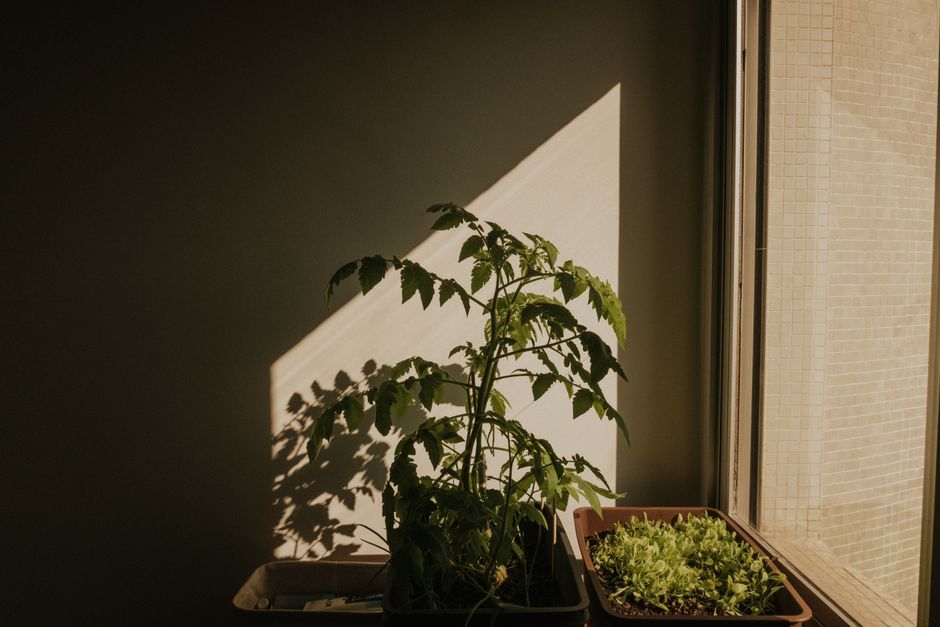
A north-facing balcony sounds like a dead loss for growing, but it is really just a low-light space, and a surprising amount of food is happy there. The key is to match crops to the light you have: leafy plants that grow through photosynthesis in bright shade, rather than fruiting plants that need hours of direct sun to ripen.
Can you grow food on a north-facing balcony?
Yes. A north-facing balcony receives bright, indirect light for much of the day even without direct sun, and leafy crops and many herbs grow perfectly well in it. What you cannot do easily is ripen fruit: tomatoes, peppers, chillies and aubergines need long hours of direct sun and will sulk in shade. Focus on leaves and herbs and a north balcony becomes genuinely productive.
Which herbs grow in shade?
The softer, leafy herbs are the shade-tolerant ones. Mint thrives almost anywhere and is best contained in a pot so it does not take over. Parsley, chives, coriander, chervil and mint all cope with bright indirect light, and mint and parsley in particular are hard to disappoint. The Mediterranean herbs - basil, rosemary, thyme, oregano - are the sun-lovers and are the ones most likely to struggle without direct light.
Which vegetables tolerate low light?
Leafy vegetables are your best bet, because you are harvesting foliage rather than waiting for fruit. Lettuce and other salad leaves, spinach, chard, rocket, kale, pak choi and spring onions all grow in the bright shade of a north balcony, and many actually prefer it in high summer, when a sunny spot can make them bolt. Radishes and some peas will also crop in part shade. Microgreens are one of the best low-light crops of all, because you snip them long before they need strong light - see our guide to growing microgreens indoors.
When to use a grow light
If you want to grow sun-loving crops on a north balcony, or keep leaves going through the darkest months, a small LED grow light bridges the gap. An efficient panel over a shelf, or a full-spectrum bulb over a couple of pots, adds the intensity that a shaded aspect lacks. It is the difference between a north balcony that only grows salad in summer and one that produces herbs year-round.