Grow Light Spectrum Explained Simply
What full spectrum, red and blue light and PAR actually mean for growing herbs indoors - a plain-English guide to grow light spectrum without the jargon.
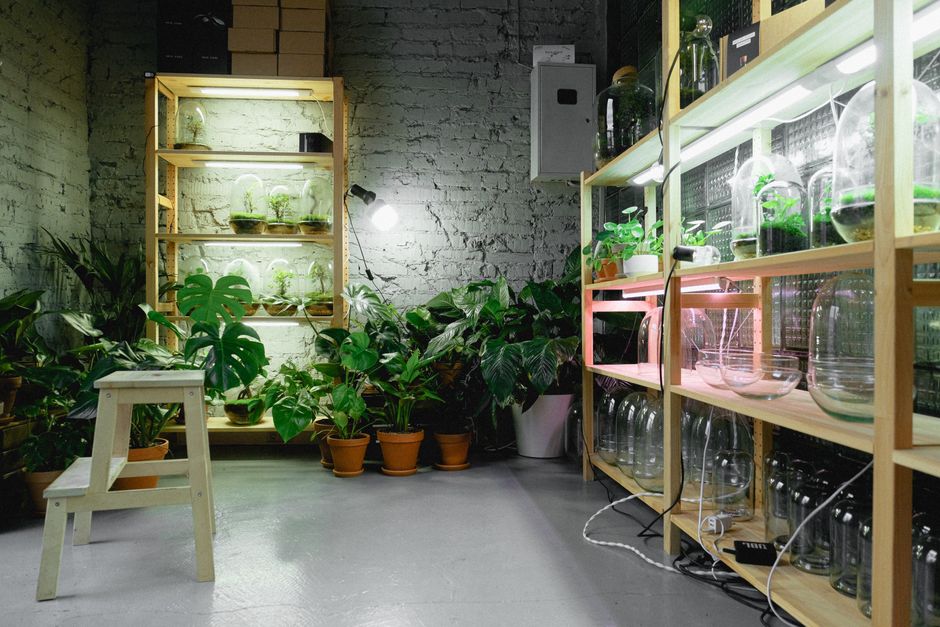
Grow light marketing is full of jargon - full spectrum, Kelvin, red-to-blue ratios, PAR and PPFD - and most of it does not matter for growing a shelf of herbs. The one idea worth understanding is photosynthetically active radiation, the slice of light plants actually use. Get that right and the colour of the light is a detail.
What does grow light spectrum mean?
Spectrum simply means the mix of light colours, or wavelengths, a light produces. Sunlight contains the full range, from blue through green to red. Plants respond most strongly to red and blue wavelengths, so early grow lights used mostly red and blue diodes, which is why they glow pink or purple. The spectrum of a light tells you which of those wavelengths it delivers and in what balance.
Why are grow lights pink or purple?
Because they emit mostly red and blue light, the two bands plants use most efficiently, and red plus blue looks pink or purple to our eyes. It is not a gimmick, but it is not the only option. Modern full-spectrum white LEDs deliver plenty of red and blue within a natural-looking white light, which is easier to live with in a kitchen or living room and grows plants just as well.
What is PAR and why does it matter?
PAR, or photosynthetically active radiation, is the range of light wavelengths plants can use for growth, roughly the visible spectrum. When you compare grow lights, the useful question is how much PAR reaches your plants, not what colour the light is. A light that looks bright to you can still be weak in PAR, which is why an efficient purpose-built grow light beats a normal room bulb even when both look bright.
Do you need full spectrum for herbs?
Full spectrum is the sensible default, but herbs are not fussy. A full-spectrum white LED gives balanced light, looks natural indoors, and grows leafy herbs and salads without you having to think about ratios. Unless you are chasing maximum yields from fruiting crops, you do not need to tune the spectrum - you just need enough usable light over the growing area, delivered efficiently.